When choosing steel wire braided hydraulic hoses, don't just focus on the number of wire layers.
2026-09-04 10:03:02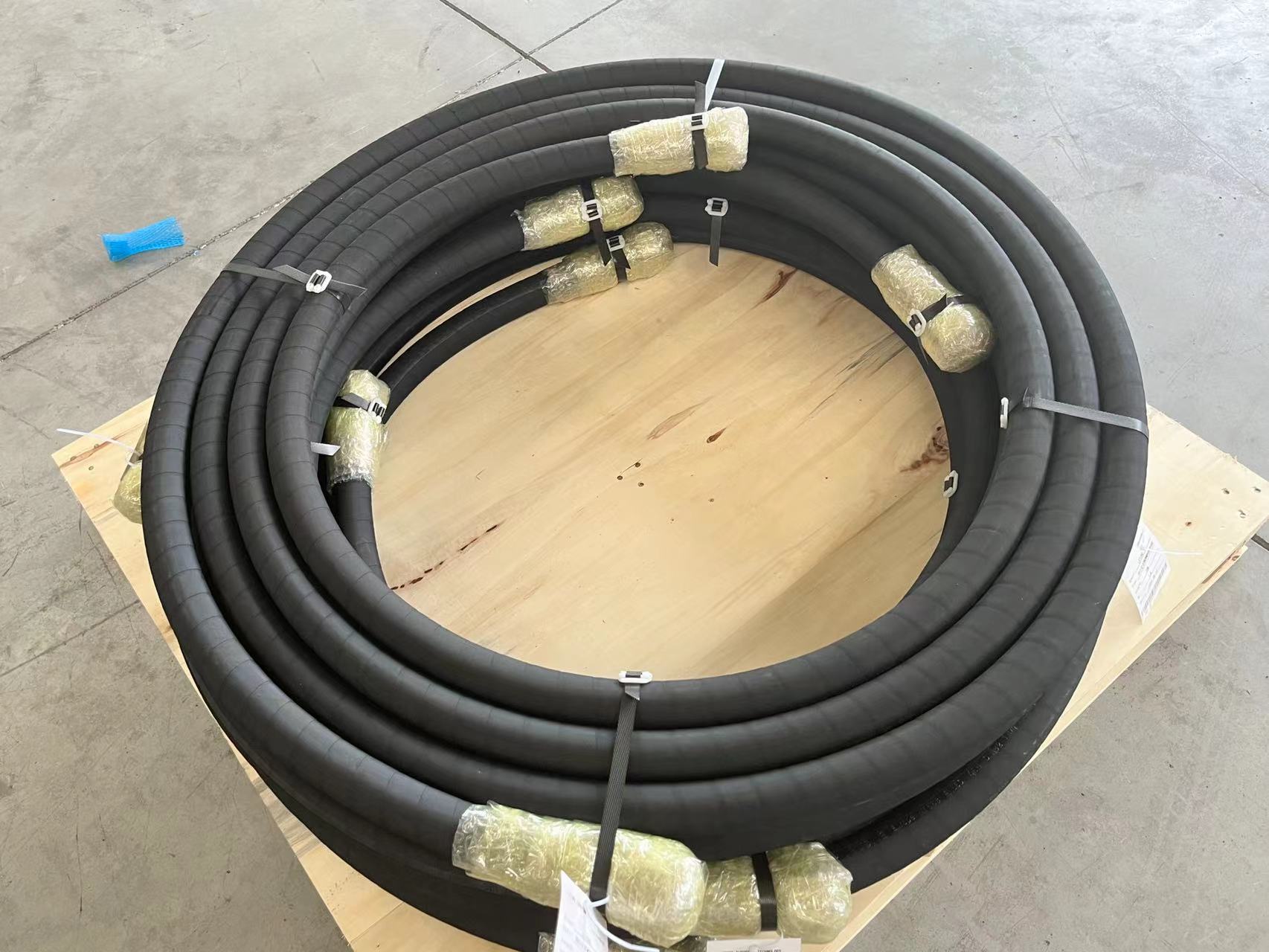
Common Purchasing Misconception: More Layers ≠ Stronger Adaptability
Many industrial purchasing and equipment maintenance personnel, when selecting steel wire braided hydraulic hoses, immediately count the number of wire layers, believing that more layers mean better pressure resistance and quality. However, after actual deployment, it's quickly discovered that many hoses labeled as having two layers of wire experience bursting and oil leaks within a month of use in the boom systems of construction machinery, actually having a higher failure rate than older single-layer wire hoses.
The core value of steel wire braided hydraulic hoses is never achieved by stacking more wire layers. If details such as the oil resistance of the inner rubber layer, the uniformity of the wire braiding, and the interlayer bonding strength are ignored, even three layers of wire can lead to structural failure under repeated high-pressure pulses, resulting in greater downtime and safety losses.
Multi-layered composite structure, each layer with a clearly defined function
A qualified industrial-grade steel wire braided hydraulic hose is a precisely mechanically designed, synergistic system with no superfluous layers. The innermost layer uses oil-resistant special synthetic rubber, capable of withstanding continuous hydraulic oil erosion over long periods. Within a normal temperature range of -40℃ to 120℃, it will not experience internal wall swelling or media penetration, preventing impurities in the hydraulic oil from directly abrading the steel wire reinforcement layer.
The middle high-strength steel wire braided layer is woven at constant tension using precision CNC equipment. Each steel wire experiences uniform stress, eliminating weak points caused by localized stress concentrations. While withstanding high pressure, it maintains suitable flexibility. The outer layer is made of aging-resistant and wear-resistant rubber, effectively protecting the internal steel wire structure from corrosion even after prolonged dragging on construction sites, exposure to oil, and sunlight, significantly extending the overall service life.
Matching the hose to the operating conditions is crucial to truly reducing long-term costs.
Many buyers initially choose cheap steel wire braided hydraulic hoses with low tension braiding and low rubber content to reduce procurement costs. However, these hoses often burst within three months, resulting in lost working hours due to machinery downtime and material losses from hydraulic oil leaks, which outweigh the price difference in hoses.
Regular steel wire braided hydraulic hoses undergo tens of thousands of pulse fatigue tests before leaving the factory, fully meeting the performance specifications commonly used in the hydraulic industry. They can operate stably for extended periods under rated working pressure. With targeted selection guidance, such as prioritizing conventional two-layer steel wire products for fixed hydraulic stations and selecting high-pulse fatigue rating models for frequently used booms in construction machinery, the overall service life of the hose can be increased by 2-3 times, significantly reducing additional losses from unplanned downtime.