How Braided Hydraulic Hoses Enhance Safety and Efficiency on Agricultural Tractors
2025-12-29 10:13:34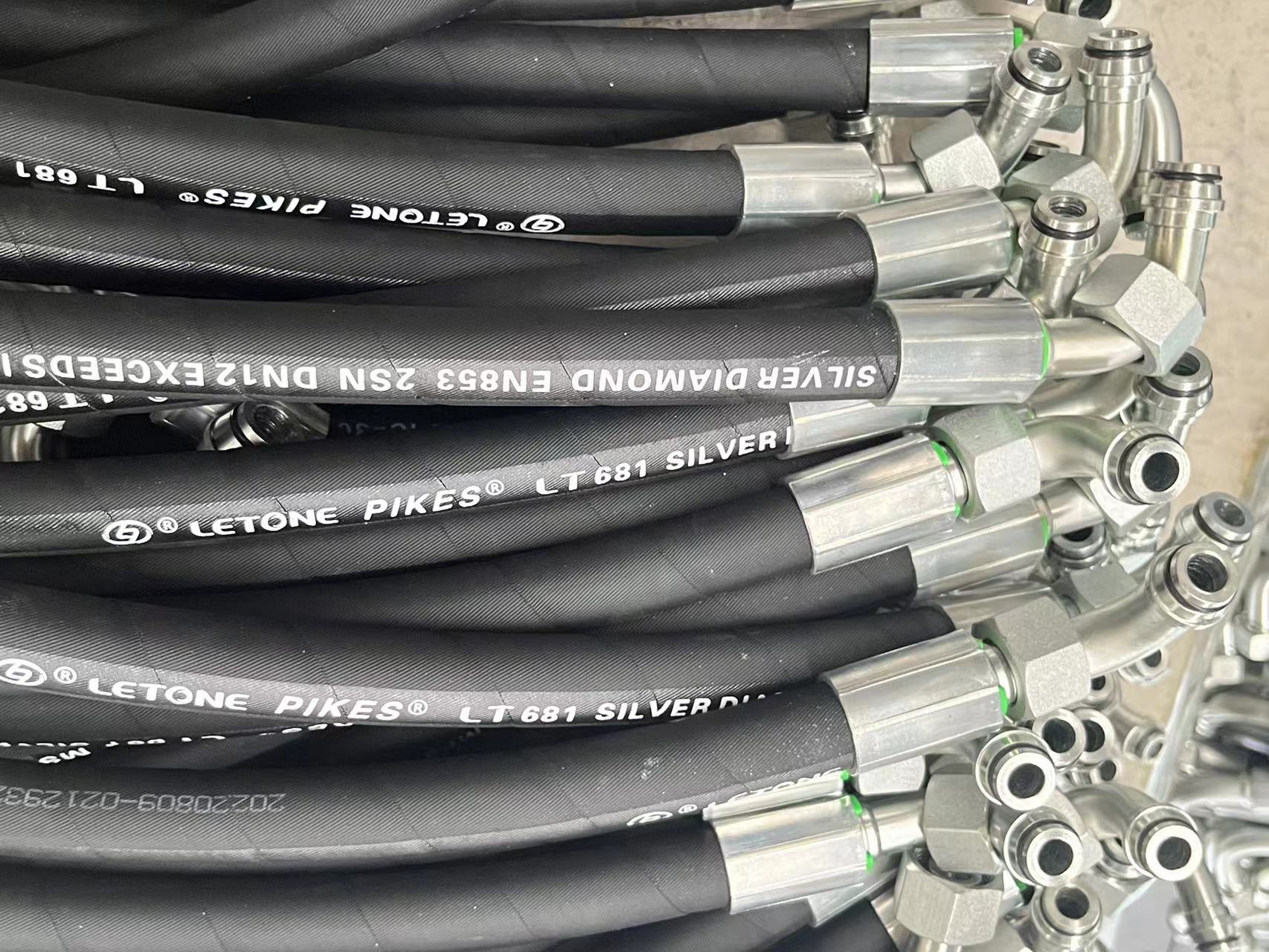
The Safety Backbone of Tractor Hydraulic Systems
Agricultural tractors rely on hydraulic power to lift, tilt, and maneuver heavy attachments, making safety non-negotiable. Braided hydraulic hoses act as critical lifelines, transmitting fluid under pressure without failure. A burst hose or loose fitting can cause sudden loss of control, endangering operators and damaging crops or equipment. Standards like ISO 1436 and SAE J517 ensure hoses meet rigorous testing for burst strength, impulse cycles, and environmental resistance. For farmers, choosing hoses that comply with these standards is a proactive step toward preventing accidents.
Innovations Tailored for Agricultural Demands
Modern farming requires hoses that perform in diverse conditions—from dusty fields to wet, corrosive environments. Braided hydraulic hoses now incorporate advanced materials to meet these challenges. For example, hoses with thermoplastic inner tubes resist high-temperature fluids, while steel wire braids use thinner, stronger alloys to improve flexibility without sacrificing strength. Some designs feature color-coded layers or RFID tags for easy identification, simplifying maintenance and reducing human error. These innovations minimize downtime and enhance operational safety during critical tasks like plowing or harvesting.
The Hidden Costs of Subpar Hoses
Cutting corners on hydraulic hose quality might seem like a cost-saving measure, but it often leads to higher expenses in the long run. Cheap hoses wear out faster, requiring frequent replacements and labor-intensive repairs. A single failure can sideline a tractor for hours, delaying planting or harvesting schedules and risking crop losses. Worse, a compromised hose could injure workers or damage nearby machinery, resulting in legal liabilities and insurance claims. Investing in braided hoses rated for your tractor’s specific requirements is a smart way to protect both your workforce and your bottom line.
Proactive Maintenance for Peak Reliability
Even the best braided hydraulic hoses need regular care to perform optimally. Implement a maintenance schedule that includes visual inspections for leaks, abrasion, or corrosion, as well as functional tests to check for pressure drops. Replace hoses every 5-7 years or as recommended by the manufacturer, and train operators to avoid habits like dragging hoses over sharp edges or overloading attachments. Store spare hoses in a clean, dry environment to prevent premature aging. By treating hoses as critical safety components, farmers ensure their tractors operate safely and efficiently, year after year.