Maximizing Injection Molding Efficiency with High-Performance Hydraulic Oil Hoses
2025-12-29 10:21:37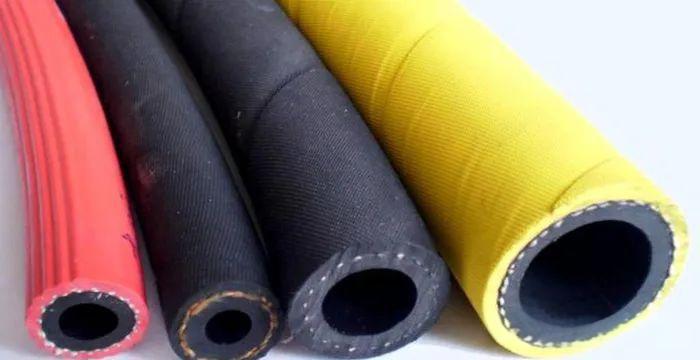
The Vital Role of Hydraulic Oil Hoses in Injection Molding
Injection molding machines rely on precise hydraulic systems to control clamping force, mold opening/closing, and material injection. Hydraulic oil hoses serve as the flexible arteries of these systems, transmitting pressurized fluid between pumps, valves, and actuators. Unlike rigid pipes, these hoses absorb vibrations, reduce noise, and simplify routing in compact machine layouts. Their ability to withstand high pressures (up to 3,000 PSI) and repetitive cycling makes them indispensable for maintaining consistent mold quality and cycle times. For manufacturers, choosing the right hydraulic oil hose ensures minimal downtime and optimal production efficiency.
Key Features for Reliability in High-Pressure Environments
A premium hydraulic oil hose for injection molding machines combines durability with flexibility. The inner tube, typically made of synthetic rubber or thermoplastic, resists hydraulic oil degradation and chemical corrosion. Reinforcement layers—often with steel wire braid or spiral wraps—handle pressure spikes without bulging, while an outer cover protects against abrasion, ozone, and UV exposure. Some designs feature compact bends for tight spaces, while others incorporate anti-static properties to prevent spark risks in automated environments. Temperature resistance (from -40°C to 120°C) ensures performance in both heated mold chambers and cold storage areas, reducing the need for frequent replacements.
Common Mistakes That Compromise Machine Performance
Many facilities overlook the importance of proper hose selection and maintenance, leading to costly failures. Using hoses rated below the system’s maximum pressure can cause bursts or leaks, disrupting production and contaminating molded parts. Incorrect routing—such as sharp bends or exposure to heat sources—accelerates wear, while over-tightened clamps may damage the hose’s outer layer. Even minor abrasions or kinks can escalate under pressure, risking sudden failures during critical cycles. Regular inspections for leaks, bulges, or cover damage are essential, as is replacing hoses every 2-4 years or as recommended by industry standards like ISO 6803.
Investing in Quality for Long-Term Cost Savings
While premium hydraulic oil hoses may cost more upfront, they deliver significant long-term benefits. Their durability reduces replacement frequency, while their resistance to environmental stressors minimizes maintenance needs. Pair them with compatible fittings and clamps to prevent leaks, and store spare hoses in a clean, dry area to avoid deformation. For machines operating in high-temperature or corrosive environments, consider hoses with additional features like flame resistance or chemical-resistant covers. By prioritizing quality, manufacturers ensure their injection molding processes run smoothly, meeting tight deadlines and maintaining product consistency.