Core Performance for Shale Oil and Gas Well High-Intensity Acid Fracturing
2026-06-30 10:38:38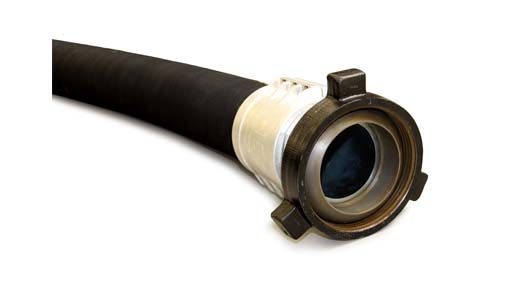
The Critical Conduit for Shale Reservoir Stimulation
In large-scale shale oil and gas development, the API acid fracturing pipeline for shale oil and gas well serves as the high-pressure backbone that connects multi-unit fracturing fleets to wellheads, delivering high-concentration acid and proppant-laden fluid deep into tight shale formations. Unlike standard industrial piping that cannot withstand the unique demands of shale operations, this assembly strictly follows unified industry specifications, engineered to handle the extreme pressure surges and continuous high-flow cycles required to create the complex fracture networks that unlock commercial hydrocarbon flow from low-permeability shale rock.
Corrosion and Abrasion Resistant Structural Design
Every API acid fracturing pipeline for shale oil and gas well adopts a multi-layer reinforced structure tailored for harsh shale field conditions. The inner lining uses specialized acid-resistant alloy materials that remain unaffected by prolonged contact with gelled acid, chelating agents and other aggressive fracturing additives, preventing inner wall pitting or flaking that would contaminate the fracturing fluid. The high-tensile steel body is forged as a single integrated piece, eliminating hidden weld defects that often cause unexpected bursts during peak pressure operations. The outer protective coating adds extra resistance against field abrasion, mud and harsh weather, maintaining full integrity even in remote shale play sites with no permanent maintenance facilities.
Boosting Operational Efficiency for Unconventional Development
The standardized interface design of the API acid fracturing pipeline for shale oil and gas well allows fast, tool-free connection between different fracturing equipment units, cutting down on-site setup time by more than 50% compared to non-standard piping systems. Its consistent pressure-bearing performance supports continuous multi-stage fracturing operations that run for dozens of hours without unplanned shutdowns, a key requirement for modern shale pad development where multiple wells are stimulated in sequence. For large-scale shale projects spanning thousands of square kilometers, this compliant pipeline system drastically reduces long-term operational risks, helping operators maximize stimulated reservoir volume while lowering per-well stimulation costs.