Ultra-High Pressure Performance for Deep Reservoir Acid Stimulation
2026-06-30 13:20:58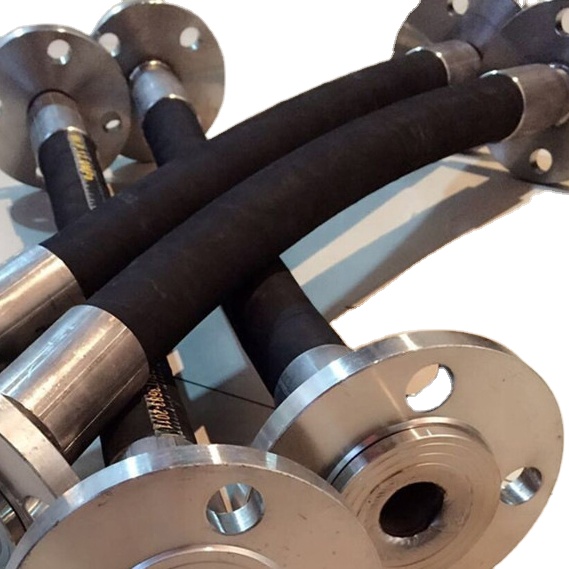
The Backbone of 70MPa-Grade Deep Well Fracturing Operations
For ultra-deep oil and gas reservoirs where formation fracture pressure exceeds conventional operational limits, the 70MPa API standard acid fracturing pipeline assembly acts as the critical high-pressure link between large horsepower fracturing fleets and deep wellheads. Engineered strictly in line with unified industry specifications, this assembly reliably delivers high-density acid blends and proppant-laden fluids at sustained ultra-high pressure, creating extensive conductive fracture networks in tight rock formations that cannot be stimulated with lower-rated piping systems. It eliminates the risk of pressure drop across the surface delivery loop, ensuring every unit of designed pressure reaches the target reservoir thousands of meters below ground.
Forged Structural Integrity for Extreme Working Conditions
Every 70MPa API standard acid fracturing pipeline assembly adopts an integrated monolithic forging process for its main body, removing all hidden weak points that come with traditional welded construction. The inner bore is lined with acid-resistant alloy that remains fully stable even under prolonged exposure to high-concentration gelled acids and aggressive fracturing additives, preventing inner wall corrosion that could compromise pressure bearing capacity. Precision-machined flange ends with metal-to-metal sealing grooves maintain complete leak-tight performance even under repeated 70MPa pressure pulses, with zero risk of seal failure during peak output from the fracturing fleet.
Delivering Unmatched Operational Reliability
This standardized pipeline assembly cuts down pre-job safety verification time drastically, as every unit carries full traceable documentation of pressure testing and material certification that meets universal industry requirements. Its consistent 70MPa pressure rating across the entire assembly removes the safety uncertainty that comes with mixing mismatched non-standard components, allowing operators to run continuous multi-hour high-pressure acid fracturing operations without unplanned shutdowns. For deep reservoir development projects, this assembly significantly reduces operational risks while maximizing the effective stimulated reservoir volume, unlocking commercial production from previously uneconomical deep formations.