Chemical Tank Truck Unloading Hoses: Building a Solid Safety Line for Fluid Transfer
2026-11-20 09:59:41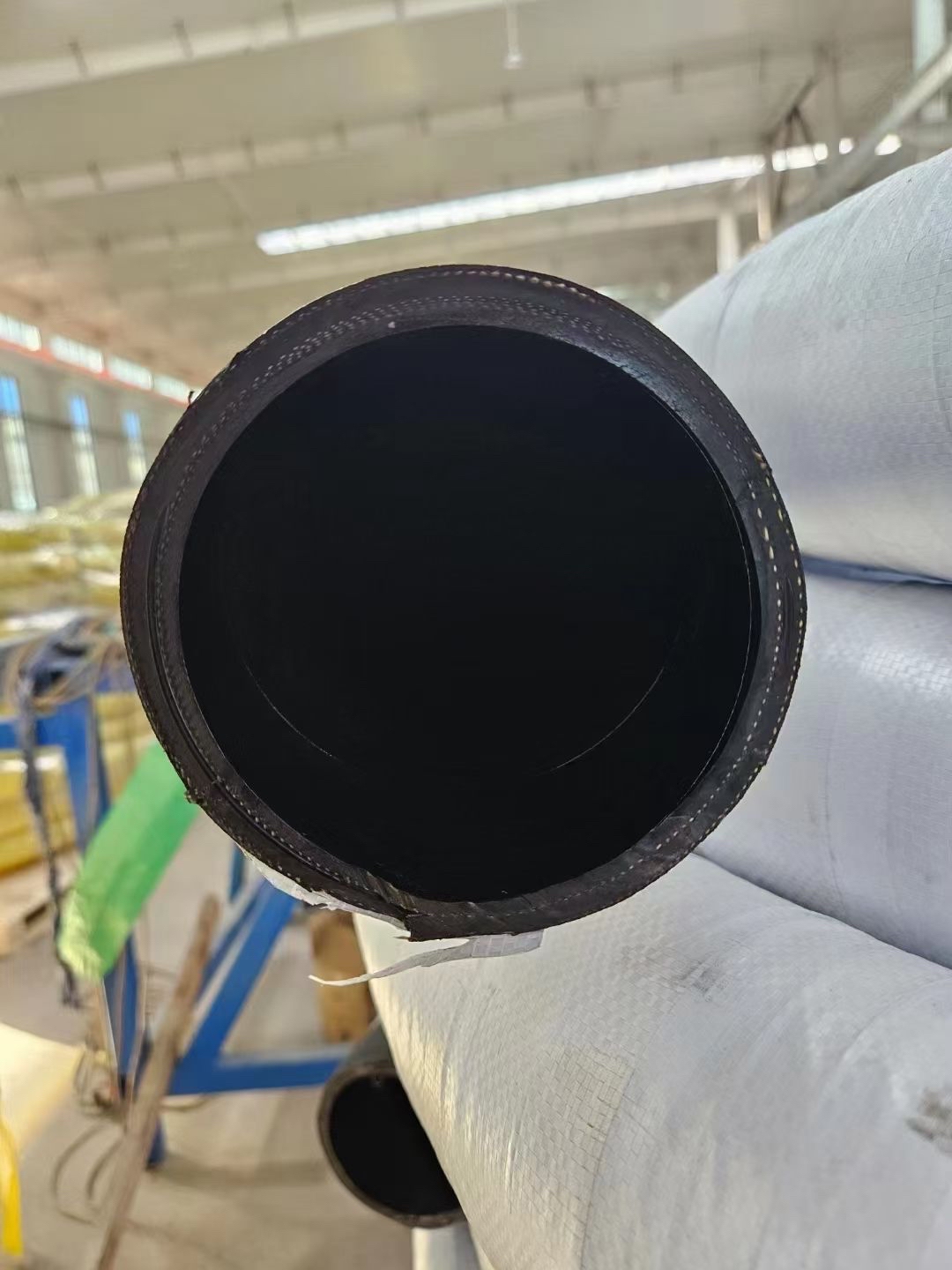
The Core Flexible Component in Chemical Fluid Transfer
In the entire process of chemical, oil, and hazardous chemical transfer, the tank truck unloading stage is one of the highest-risk nodes. As a core flexible component connecting the tank truck and the loading/unloading platform, the performance of the chemical tank truck unloading hose directly determines the safety level and operational efficiency of the entire unloading operation. Unlike ordinary industrial conveying hoses, these specialized hoses need to adapt to multiple complex working conditions, including corrosive media, high-pressure suction, and dynamic displacement, making them an irreplaceable key supporting equipment in the fluid transfer system.
Core Performance Advantages for Adapting to Complex Working Conditions
Conventional single-layer rubber hoses are prone to problems such as inner wall aging, bulging, and cracking when facing highly corrosive chemical solvents and alternating high and low temperature environments. This can not only cause media leakage but also lead to operational interruptions. Qualified chemical tanker unloading hoses employ a multi-layered composite structure design. The inner layer uses corrosion-resistant and compatible materials, the middle layer uses high-strength fiber cross-weaving to enhance pressure resistance, and the outer layer is equipped with a wear-resistant and weather-resistant protective layer, further supported by a continuous spiral metal skeleton. This allows it to withstand long-term erosion from various common chemical media and maintain its integrity and stability under negative pressure suction. The flexibility of these hoses is also outstanding, perfectly adapting to slight shifts when the tanker is parked and the vehicle's settlement during loading and unloading. The gentle arc-shaped layout avoids problems such as sharp bends and stress concentration, eliminating the need for strict alignment like rigid pipelines and significantly reducing the difficulty of on-site connection operations.
Key Points for Safe Operation Throughout the Process
To fully utilize the performance advantages of unloading hoses, proper operating procedures are essential. Before operation, verify that the hose's pressure rating and corrosion resistance are completely compatible with the medium to be transported. Inspect the hose for damage, ensure the joint sealing surfaces are free of scratches, and clean any residual impurities inside the hose to prevent reactions with the new medium. When laying pipelines, allow for a slack of 50 to 100 centimeters, avoid areas with sharp stones or gravel, ensure the minimum bending radius is no less than 10 times the pipe diameter, and strictly prohibit vehicles from running over or heavy objects from squeezing the pipe body. During unloading, control the material flow rate within the range of 1.5-3 m/s. Before handling flammable and explosive media, ensure proper grounding to discharge static electricity. Monitor the pipe status in real time throughout the process; immediately stop the machine if any local deformation or leakage is detected. After the operation, promptly empty the residual media from the pipe and neatly coil it in a cool, ventilated area to reduce unnecessary environmental aging and wear.
The Comprehensive Value Created by Long-Term Operation and Maintenance
Many chemical companies, after replacing traditional ordinary hoses, have not only significantly reduced the risk of leakage during unloading, but also significantly controlled annual operation and maintenance costs. The average service life of the hoses can be extended to 2-3 times that of ordinary rubber hoses. The combination of standardized selection and regular inspection can reduce downtime losses caused by sudden failures and reduce manpower investment in safety inspections. In long-term, high-frequency transfer operations, the comprehensive investment advantages will gradually become apparent, building a more stable fluid transfer safety system for enterprises.