High-Pressure Pipes in Oil Wells: The Core Lifeline for Fluid Transportation in Extreme Downhole Con
2026-08-26 14:33:13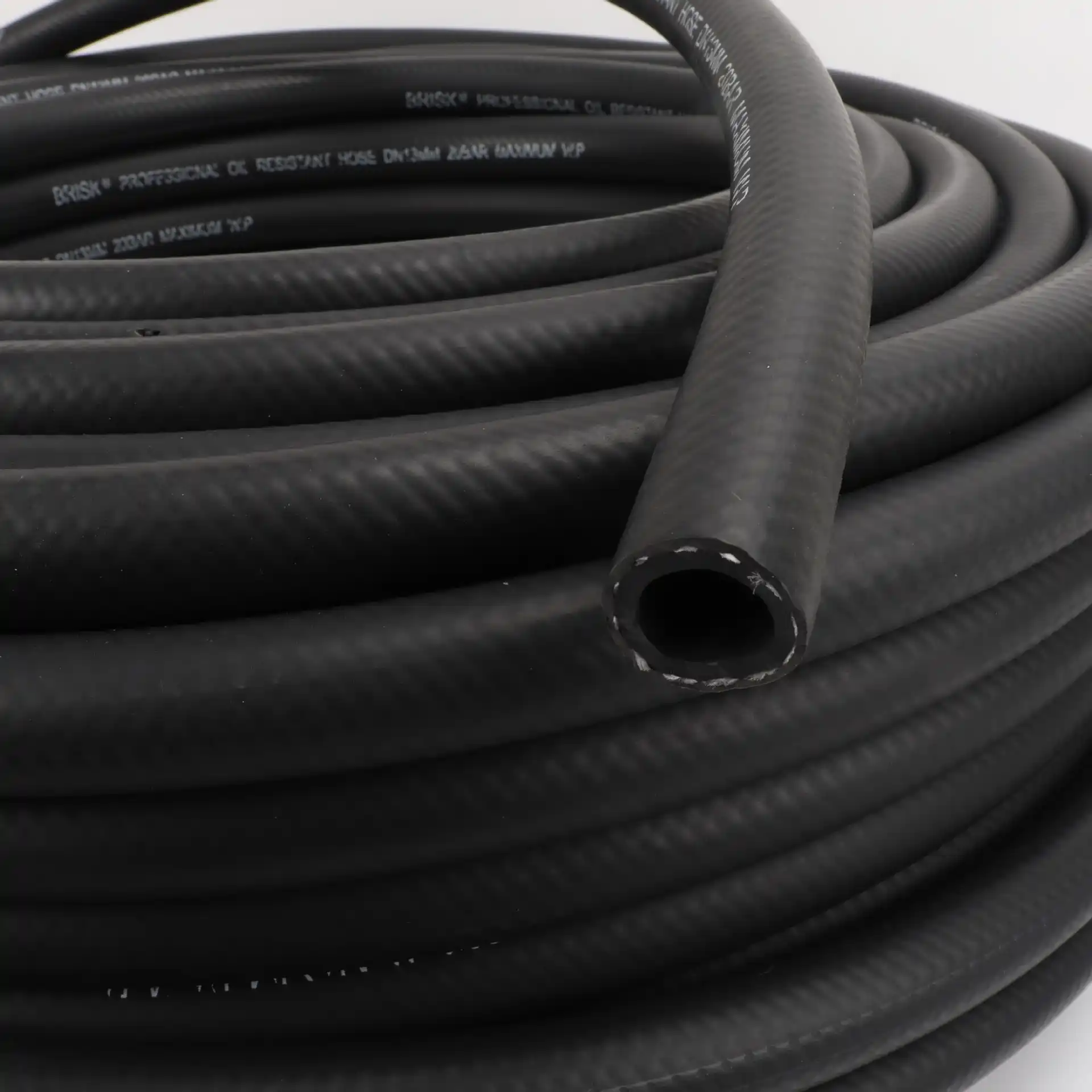
Solving the Pain Points of Long-Term Transportation in Complex Downhole Environments
In the extremely confined spaces of oil wells, hundreds to thousands of meters underground, traditional ordinary transportation pipes constantly face the fatal test of multiple overlapping operating conditions: the continuous high-temperature environment continuously bakes the pipe walls; corrosive media such as highly salinized formation water, hydrogen sulfide, and carbon dioxide corrode the pipe body over a long period; the continuous impact of high-pressure fluids from oil extraction and acidizing operations; and the long-term tensile and compressive stresses on the tubing string underground. Ordinary pipes often experience corrosion perforation, pipe bursts, and breakage within a short period. Once a failure occurs and the pipe falls into the well, not only will it cost hundreds of thousands of yuan for major repairs and retrieval, but it will also directly lead to a prolonged shutdown of the oil well, causing incalculable economic losses to the oilfield project. The emergence of high-pressure pipes in oil wells specifically overcomes the four major performance barriers of "temperature resistance, corrosion resistance, high pressure resistance, and tensile strength," becoming the core lifeline equipment for ensuring the long-term stable operation of fluid transportation in oil wells.
Multi-layered Composite Structure with Dedicated Downhole Adaptation Design Logic
The reliable performance of this high-pressure tubing is entirely based on a customized structural design tailored to the specific working conditions of downhole applications. The inner layer of the tubing utilizes a special corrosion-resistant alloy material or modified polymer liner, capable of withstanding long-term combined corrosion from high concentrations of hydrogen sulfide, carbon dioxide, and highly salinized formation water, preventing common downhole tubing failures such as pitting and perforation. The intermediate reinforcing layer uses high-strength special steel wire woven at staggered angles, combined with an overall stress-balancing process, to stably withstand downhole high-pressure loads ranging from thousands to tens of thousands of PSIs. It also possesses tensile strength far exceeding that of traditional steel pipes, ensuring that even when suspending thousands of meters of tubing at depths of thousands of meters, tensile breakage will not occur. The outer layer employs a wear-resistant and downhole fluid-erosion-resistant protective layer, resisting long-term friction from the downhole casing wall and continuous scouring from sand particles in the produced fluid. During long-term, repetitive operations, the tubing structure remains structurally intact, preventing outer layer wear-through and reinforcement layer exposure.
Creating Significant Benefits for the Entire Lifecycle Development of Oil Wells
The large-scale application of high-pressure tubing in oil wells creates long-term value for oilfield development projects from three dimensions: safety, efficiency, and cost. In terms of safety, the corrosion resistance and explosion-proof performance of the tubing have been verified through full-condition downhole simulations, significantly reducing the probability of sudden tubing bursts or breakages during long-term production. This avoids the high costs and safety risks associated with downhole workovers, greatly reducing the pressure on downhole tubing safety management. In terms of efficiency, the ultra-long continuous downhole service life of the tubing extends the maintenance-free cycle of the tubing string from several years with traditional steel pipes to over a decade, significantly reducing the frequency of well shutdowns for tubing string tripping and increasing the annual effective production time of the oil well by more than 20%. In terms of cost, although the initial purchase cost of a single professional downhole high-pressure tubing is higher than that of ordinary steel pipes, the unit cost over the entire lifecycle is reduced by more than 30%. It also eliminates the high operating expenses associated with frequent well workovers and retrieval, resulting in substantial savings in overall development costs for oilfield projects in the long run.