Liquid-cooled flexible hoses for data center renovation: a flexible and adaptable core carrier for u
2026-08-28 14:14:14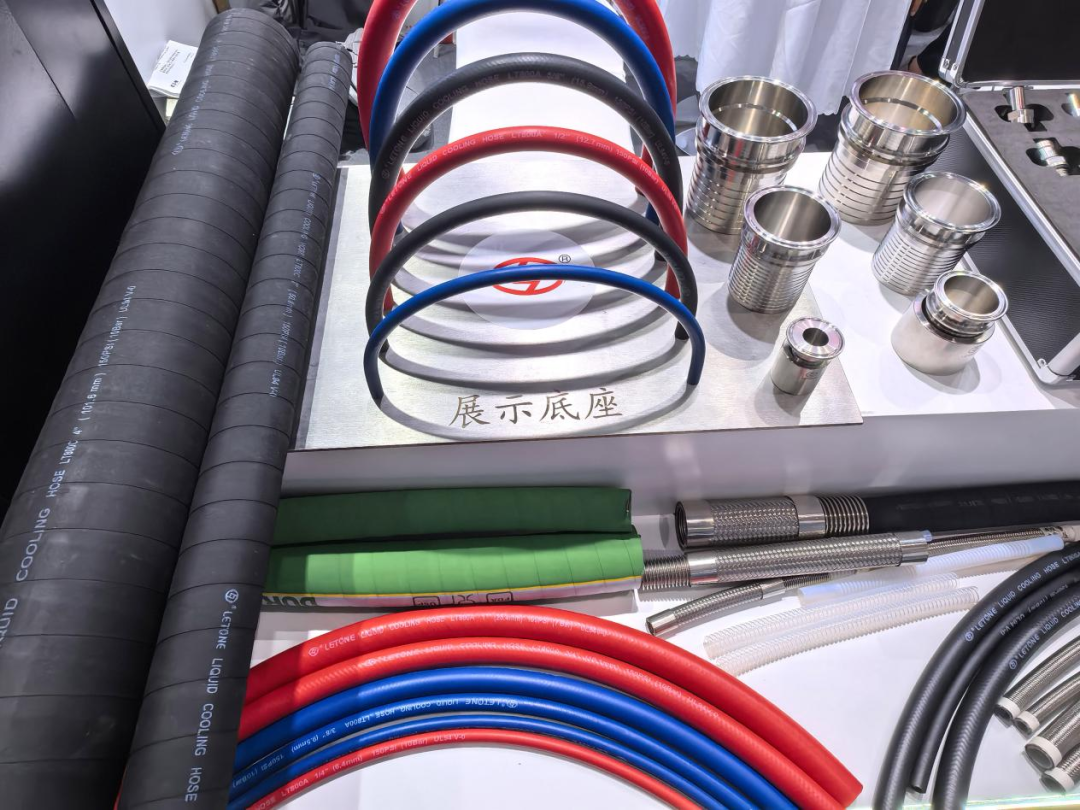
Solving the pain points of pipeline adaptation in traditional air-cooled data center renovations
Many older, traditional air-cooled data centers face cooling bottlenecks due to the current trend of high-density AI computing power deployment. Once single-rack power consumption exceeds 20kW, the cooling efficiency of traditional air-cooling systems drops sharply, leading to frequent hotspots. This not only affects the stability of computing equipment but also results in persistently high PUE values and continuously rising energy costs. However, the original layout, rack openings, and reserved space for pipelines in these older data centers are already fixed. Directly applying a newly constructed rigid liquid-cooled pipeline solution often requires large-scale damage to the original building structure and modification of rack bases, resulting in high costs, long cycles, and potential disruption to the continuous operation of existing services within the data center. The emergence of liquid-cooled flexible hoses for data center renovations specifically addresses the three core barriers of "small space adaptation, low modification intrusion, and rapid deployment," becoming a core flexible delivery equipment in legacy data center air-cooled to liquid-cooled conversion projects that balance upgrade effectiveness and business continuity.
Customized Flexible Structure Adapts to Complex Operating Conditions of Existing Data Centers
This liquid cooling hose is specifically optimized for the unique scenarios of existing data center retrofits. The inner tube uses a low-emission, high-cleanliness special polymer material, ensuring long-term stable compatibility with various liquid cooling media such as deionized water and ethylene glycol coolant. Long-term operation will not result in scale buildup on the inner wall or particle shedding that clogs the cold plates, fully meeting the stringent cleanliness requirements of liquid cooling systems. The entire tube body employs a multi-layered high-strength fiber braided reinforcement structure, guaranteeing a rated pressure capacity of over 1.6MPa while keeping the minimum bending radius within three times its inner diameter. Even in narrow cable management spaces of only a few centimeters behind the server rack, bending and routing can be easily accomplished without significant adjustments to the original rack installation location. The outer layer uses an insulating and flame-retardant special protective layer, not only isolating the risk of electrical leakage but also meeting data center fire safety regulations. Even during long-term operation in a confined data center environment, there will be no issue of aging and the release of harmful gases, adapting to the safety management standards of data centers.
Creating Multiple Comprehensive Values for Data Center Upgrade Projects
The large-scale application of liquid-cooled flexible hoses in data center upgrades brings significant benefits to the upgrading of old data centers from three dimensions: business continuity, upgrade costs, and long-term energy efficiency. In terms of business continuity, flexible hose installation does not require large-scale damage to floors and walls, nor structural modifications to existing racks. It can be carried out in sections, row by row, with no impact on business operations in un-worked areas during the upgrade process, completely avoiding the large-scale downtime risks associated with traditional rigid piping upgrades. In terms of upgrade costs, flexible hoses eliminate the need for numerous elbows, connectors, and mounting brackets, resulting in overall material and installation costs that are more than 30% lower than rigid piping solutions, and the deployment cycle can be shortened by nearly half. In terms of long-term energy efficiency, the smooth inner wall of the hoses reduces flow resistance, lowering the operating power consumption of the coolant circulation pump. Combined with liquid cooling, the overall PUE of the data center can be reduced to below 1.2, saving a considerable amount of cooling energy costs annually. This allows old data centers to achieve a leapfrog upgrade in high-density computing power capacity without major demolition and reconstruction.