Upgrading Bulk Material Transfer Operations and Maintenance: The Full-Lifecycle Management Value of
2026-09-16 10:24:29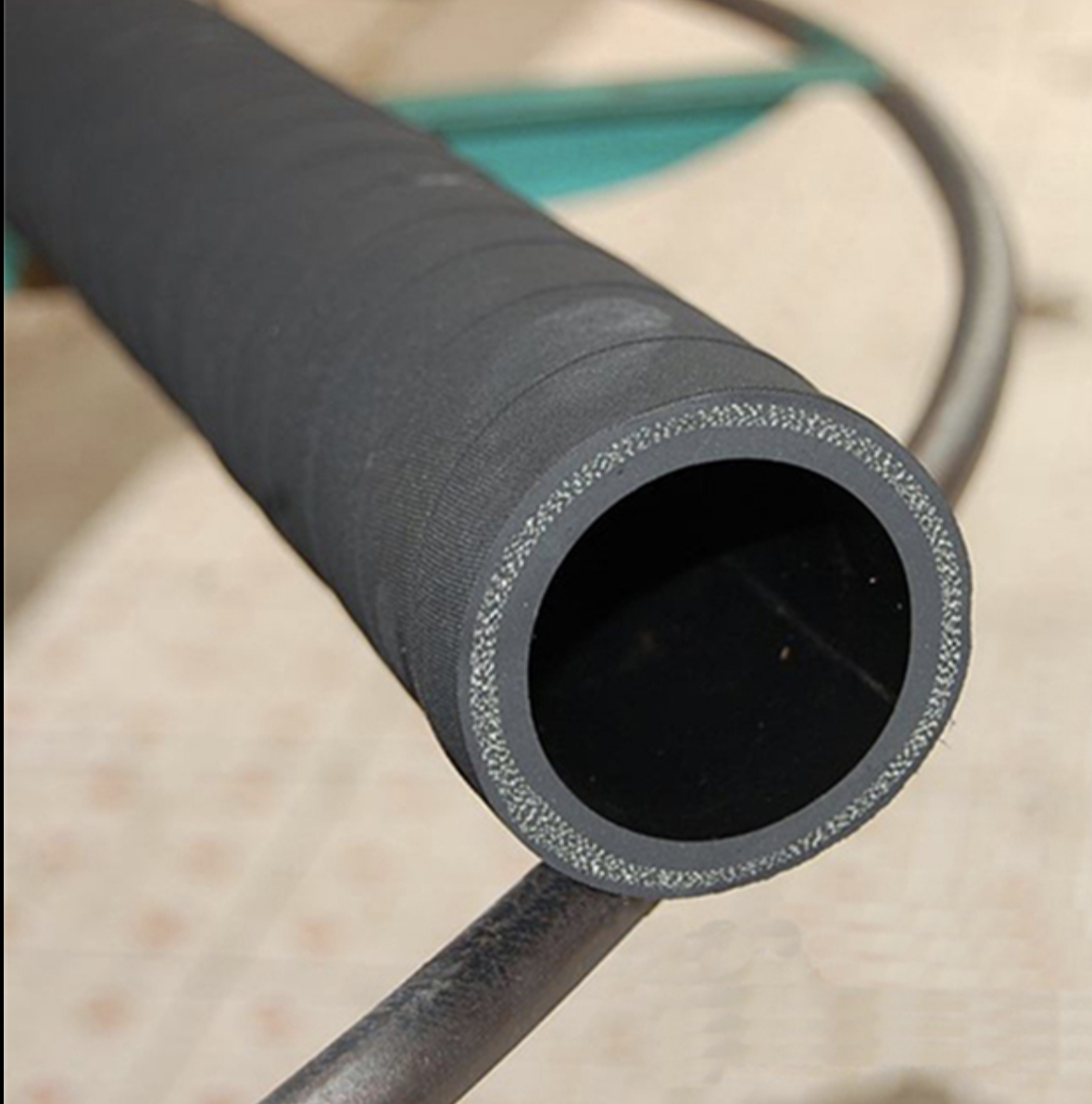
Previously underestimated, transfer pipelines have now become a core element for cost reduction in material transfer lines.
For a long time, many bulk material transfer teams focused their management on transfer pumps and main equipment, paying little attention to transfer pipelines. They believed that blockages were simply cleared and worn-out pipes were replaced, with minimal losses. However, as mining, dredging, and construction projects have grown in scale, unplanned downtime losses for the entire transfer line have increased dramatically. A sudden blockage or burst in a large-diameter transfer hose can cause the entire material transfer line to shut down for hours, with large amounts of material solidifying and caking within the pipeline. The subsequent cleanup costs can be dozens of times higher than the cost of the new pipe.
Now, more and more material operation and maintenance teams are including large-diameter wear-resistant and anti-clogging transfer hoses in their core maintenance lists. By improving the wear-resistant and anti-clogging performance of the pipelines, they directly improve the operational efficiency of the entire material transfer line, significantly reducing the overall operation and maintenance costs of the project throughout its entire lifecycle.
From "Run Once It's Clear" to "Preventative Maintenance Dedicated to Particle Conveying Scenarios"
Traditional management of large-diameter conveying hoses involves waiting until they are completely blocked or worn through before stopping operations. This approach is not only difficult to clean but also prone to material leaks and pipe bursts. The current mainstream maintenance approach has shifted to preventative maintenance based on particle conveying conditions: Each large-diameter wear-resistant, anti-clogging conveying hose is assigned an independent usage log based on the particle hardness, concentration, and flow rate of different conveyed media. This log records cumulative conveying time, historical conveyed media types, and pre-sets corresponding periodic cleaning and internal wear detection cycles.
During routine inspections, maintenance personnel can monitor pressure changes in the conveying system to detect early blockages caused by increased flow resistance. Cleaning can be completed before material accumulates and clumps form, avoiding the need for complete blockage before stopping operations. This approach can increase the overall service life of the hoses by more than 40% and reduce the probability of sudden blockages in material conveying by 80%.
Supporting scenario-based services further unlock the value of wear-resistant and clog-resistant hoses.
The mature supply system for large-diameter wear-resistant and clog-resistant conveying hoses has long since moved beyond simply delivering pipes; it now offers comprehensive scenario-based support services. For different scenarios such as mine tailings transportation, construction mortar pumping, and dredged sediment transfer, corresponding selection guidance, pipeline layout optimization solutions, and operation and maintenance training are provided. This helps on-site personnel avoid common mistakes that easily lead to blockages, such as excessive bends and unreasonable slopes during pipeline layout, further reducing the probability of pipeline blockage.
In some scenarios, customized pre-assembled assembly services are also available. Standardized connections between hoses and quick connectors are completed in advance, and flow tests are performed before delivery. On-site splicing and deployment are straightforward, eliminating the need for on-site processing and significantly improving pipeline laying and replacement efficiency. This complete support from product to service transforms large-diameter wear-resistant and clog-resistant conveying hoses from easily damaged consumables in material transfer lines into a core support for ensuring long-term, efficient transportation of bulk materials and reducing costs while increasing efficiency.