The Hidden Challenges of Piping on Ocean-going Vessels: Why Ordinary Hoses Can't Withstand Marine C
2026-10-12 14:17:20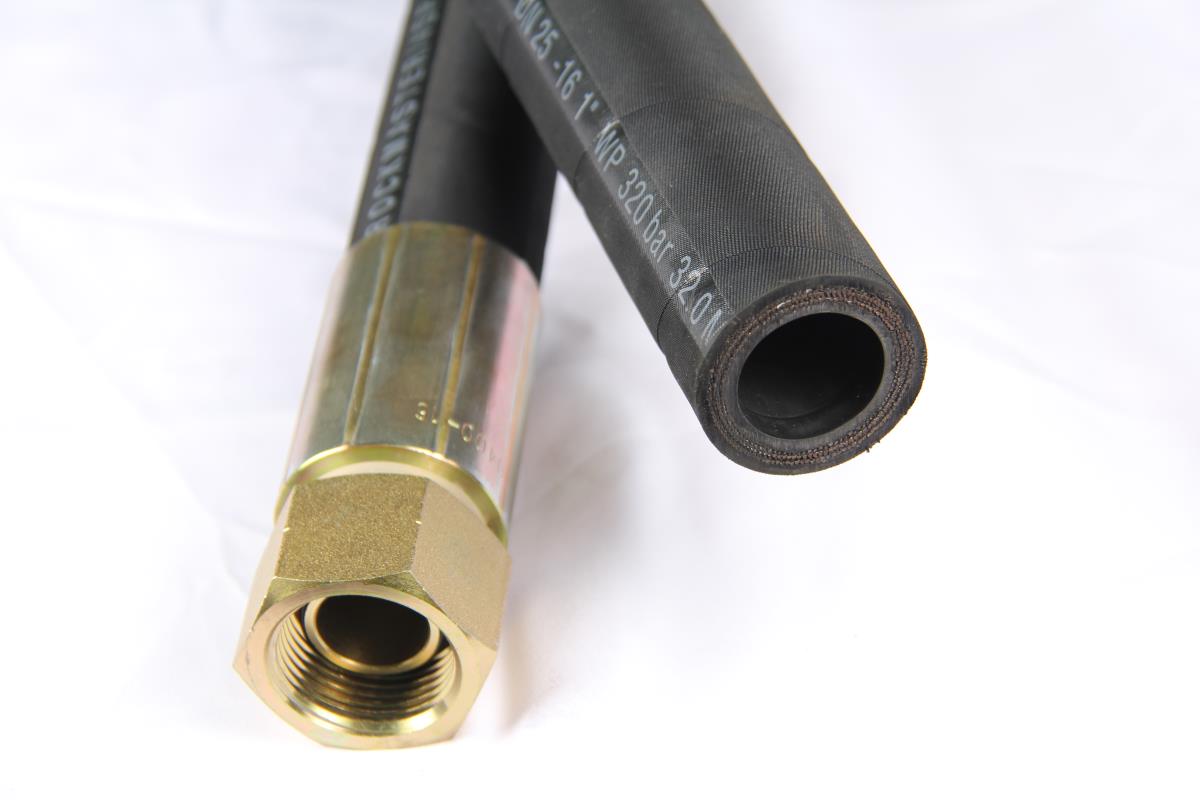
Many ship maintenance personnel have learned profound lessons from their voyages at sea: ordinary industrial hoses in ship propulsion systems and fuel pipelines quickly develop outer layer aging and cracking, and inner layer swelling and leakage, under the long-term high salt spray, high vibration, and drastic temperature fluctuations of the marine environment. If a hose suddenly bursts while sailing at sea, fuel and hydraulic oil leaks, not only will it directly cause a partial power system shutdown, but it may also lead to serious safety accidents such as loss of ship power and marine pollution. Seemingly inconspicuous connecting hoses are precisely the most easily overlooked yet crucial components in the safe navigation chain of ocean-going vessels. The emergence of industrial hoses for ships is precisely to fundamentally solve the industry pain point of ordinary hoses being "unreliable and unusable" under marine conditions.
Comprehensive Design Enhanced for All Operating Conditions, Adapting to the Multiple Corrosive Effects of the Marine Environment
From the initial design stage, industrial hoses for ships are specifically enhanced for their performance in response to the unique operating environment of ships. The hose features a multi-layered composite structure: the inner layer uses a special high-polymer material resistant to oil and seawater corrosion, depending on the medium being transported, ensuring it won't swell, decompose, or leak even after long-term contact with fuel oil, lubricating oil, or seawater; the middle layer uses a high-strength multi-strand steel wire reinforced skeleton, resisting the continuous impact of high-pressure media and preventing metal fatigue fracture under the continuous high-frequency vibration of the ship's main engine; the outer layer uses a special protective layer with salt spray and UV-resistant additives, preventing rapid aging and cracking even after long-term exposure to the deck, sea wind and salt spray corrosion, intense sunlight, and repeated wave impact. The entire structure is free of redundancy, with each layer's performance precisely tailored to the extreme demands of marine environments.
Full Shipboard Coverage, Supporting Fluid Transport Across the Entire Ship System
This industrial hose's compatibility covers almost all fluid transport scenarios in modern ships. In the engine room, it serves as a connecting hose for main engine fuel and lubricating oil delivery, absorbing the high-frequency vibrations of the main engine during operation and preventing long-term cracking of rigid pipe joints due to vibration. In deck oil transfer systems, it acts as a large-diameter transfer hose for loading and unloading oil on oil tankers, withstanding the long-term scouring of high-flow, high-pressure oil. In ballast water systems, it can transport seawater containing marine microorganisms and salts for extended periods without being corroded or clogged. Even in shipboard hydraulic steering gear, cranes, and other supporting systems, it maintains stable pipeline sealing under dynamic operating conditions, ensuring safe power transmission.
Full lifecycle safety guarantee, reducing operational and maintenance risks during long-distance voyages
Many shipping companies, after replacing their hoses with compliant marine industrial hoses in batches, have seen a significant reduction in the probability of pipeline failures at sea. Previously, a large number of spare parts had to be prepared for each long-distance voyage, ready to repair aging and failing hoses at any time. Now, qualified classification society-certified industrial hoses can operate stably on board for several years without frequent replacements. More importantly, the risk of sudden hose rupture and medium leakage during long-distance voyages is completely reduced. Crew members do not need to risk their lives to repair leaking pipelines in adverse sea conditions, which greatly improves the safety of ship navigation and avoids major losses such as marine pollution and schedule delays caused by pipeline failures. It provides reliable fluid transportation support for the safety of ocean-going vessels throughout the entire voyage.